


What is Gita Jayanti?
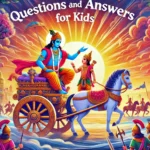
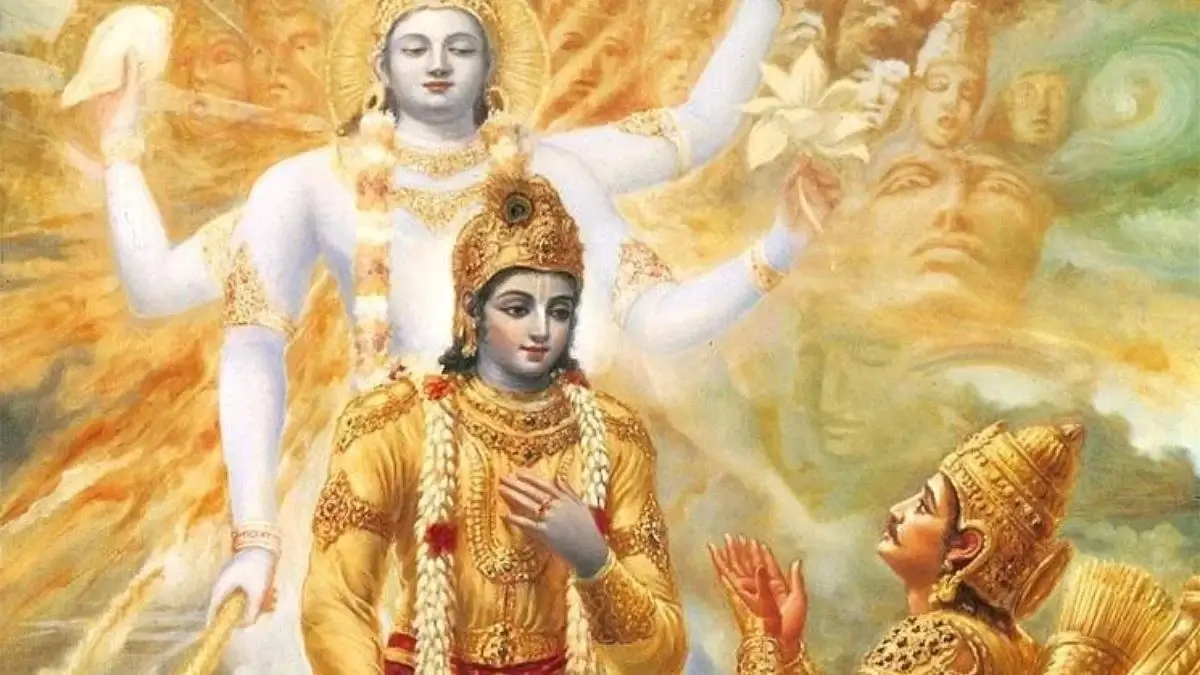
Gita Jayanti marks the day when Lord Krishna gave the sacred teachings of the Bhagavad Gita to Arjuna on the battlefield of Kurukshetra. This day is celebrated on Shukla Ekadashi of the Margashirsha month, usually in November or December.
It is a celebration of wisdom, duty, righteousness (dharma) and the eternal teachings that guide life, discipline, and self-knowledge.
People across India—especially in Kurukshetra (Haryana)—observe this day with devotion, prayer, and Gita recitation.
Why is Gita Jayanti important?
- It commemorates the birth of the Bhagavad Gita, one of the world’s most important spiritual texts.
- It reminds us to follow the path of truth, courage, and duty.
- It inspires people to lead a life of balance, wisdom, and devotion.
- It teaches important values like selflessness, calmness, and right action.
How to Celebrate Gita Jayanti
Here are simple and meaningful ways:
1. Read or recite the Bhagavad Gita
Even a single verse (shloka) read with devotion is meaningful.
2. Visit a temple
Offer prayers to Krishna and listen to Gita discourses.
3. Participate in Gita chanting events
Many schools, temples, and communities arrange group recitations.
4. Practice self-reflection
Spend a few minutes thinking about your purpose, actions, and responsibilities.
5. Teach children Gita values
Explaining simple concepts like honesty, courage, and kindness.
6. Donate food or help someone
Following the Gita’s message of seva (selfless service).
7. Observe peace and positivity
Avoid anger, negativity or wrong actions on this sacred day.
Questions and Answers (Q&A) for Students
Q1. When is Gita Jayanti celebrated?
A: Geeta Jayanti is celebrated on the 11th day (Ekadashi) of the Shukla Paksha in the Margashirsha month.
Q2. What is the significance of Geeta Jayanti?
A: It marks the day when Lord Krishna revealed the teachings of the Bhagavad Gita to Arjuna on the battlefield of Kurukshetra.
Q3. Who spoke the Bhagavad Gita and to whom?
A: Lord Krishna spoke the Gita to Arjuna.
Q4. Which epic contains the Bhagavad Gita?
A: The Bhagavad Gita is a part of the Mahabharata, written by Sage Vyasa.
Q5. What does the Bhagavad Gita mainly teach?
A: It teaches about duty (dharma), right action, devotion, self-discipline, and finding inner peace.
Q6. Where did Lord Krishna give the Gita’s teachings?
A: At Kurukshetra, before the Mahabharata war began.
Q7. How do people celebrate Gita Jayanti?
A: By reading the Gita, performing puja, joining recitations, visiting temples, and practicing self-reflection.
Q8. Write life changing 10 shlokas from the Bhagavad Gita.
A:
1.
कर्मण्येवाधिकारस्ते मा फलेषु कदाचन।
कर्मफलहेतुर्भूर्मा ते सङ्गोऽस्त्वकर्मणि॥ (2.47)
Meaning: You have control only over your actions, never over their results.
2.
श्रीभगवानुवाच — योगस्थः कुरु कर्माणि।
संगं त्यक्त्वा धनञ्जय॥ (2.48)
Meaning: Perform your duty with balance, without attachment.
3.
न जायते म्रियते वा कदाचित्। (2.20)
Meaning: The soul is never born and never dies.
4.
विद्याविनयसम्पन्ने ब्राह्मणे… समदर्शिनः। (5.18)
Meaning: A wise person sees all beings with equal vision.
5.
तस्मादसक्तः सततं कार्यं कर्म समाचर। (3.19)
Meaning: Perform your duty without attachment.
6.
यदा यदा हि धर्मस्य ग्लानिर्भवति भारत। (4.7)
Meaning: Whenever righteousness declines, I manifest Myself.
7.
परित्राणाय साधूनाम्… विनाशाय च दुष्कृताम्।(4.8)
Meaning: I appear to protect the good and destroy evil.
8.
मनुष्याणां सहस्रेषु कश्चिद्यतति सिद्धये। (7.3)
Meaning: Among thousands, only a few strive for spiritual perfection.
9.
ममैवांशो जीवलोके जीवभूतः सनातनः। (15.7)
Meaning: Every living being is an eternal part of Me.
10.
सर्वधर्मान्परित्यज्य मामेकं शरणं व्रज। (18.66)
Meaning: Surrender completely to Me; I will free you from all suffering.